
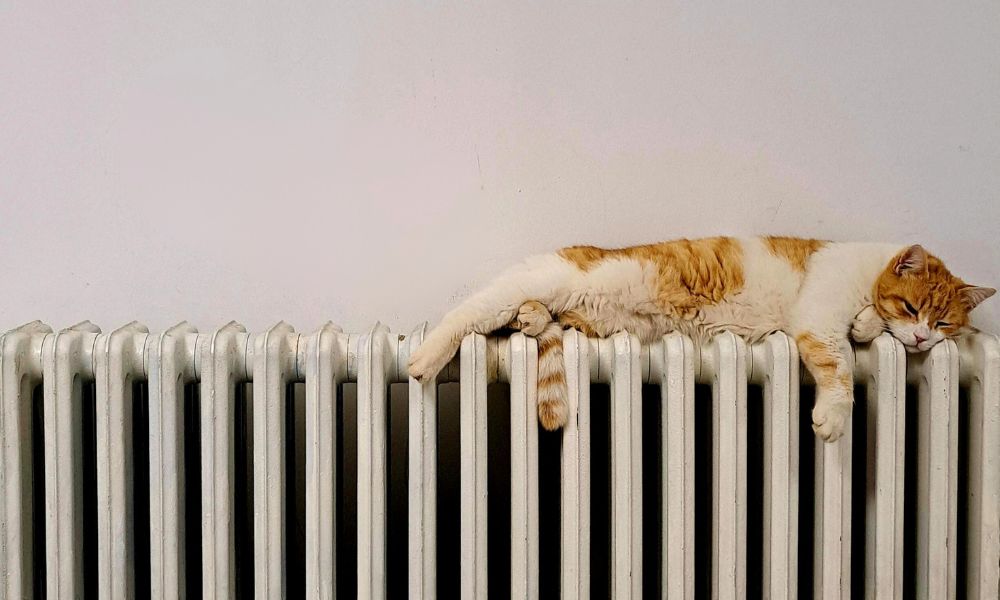
January in North Wales has arrived with freezing temperatures and even a few days of snow, and like many households, you have probably had your heating on more than usual to keep your home warm and comfortable.
At this time of year, heating oil levels can drop faster than expected, especially when cold snaps linger. After Christmas spending and with the start of a new year ahead, lots of families are now looking for sensible ways to manage their heating costs without feeling the cold indoors.
The good news is that you do not need to turn the heating off or sacrifice comfort to reduce your oil usage. With a few simple changes around the home, you can make your heating system run more efficiently and help your oil supply last longer through the winter.
Here are some practical tips.
Lower the Thermostat Slightly (Without Feeling Colder)
When the weather suddenly turns colder, it can be tempting to turn the thermostat right up. However, lowering it by just one or two degrees can make a noticeable difference to how much oil your boiler burns over time.
Most homes remain comfortable at around 18 to 20°C, especially when rooms are well insulated and you make small lifestyle tweaks, such as closing doors and using thicker curtains in the evening.
If you have a smart thermostat or timer, try setting your heating to come on only when you really need it. In winter this can help prevent unnecessary oil usage while still keeping your home cosy.
Match Your Heating Schedule To Your Daily Routine
During cold spells, many people leave their heating running for longer than necessary. Instead, try adjusting your heating pattern to suit how you use your home.
You could:
- Heat bedrooms for shorter periods
- Reduce heating overnight
- Avoid heating empty rooms
- Use timed heating periods rather than constant running
If you have thermostatic radiator valves, you can set different temperatures in different rooms, ensuring oil is only used where warmth is actually needed.
This is especially helpful in January when the heating is already working harder than usual.
Improve Insulation and Reduce Draughts
In winter, any heating that escapes your home quickly results in your boiler using more oil to keep temperatures stable.
It is worth checking areas such as:
- Loft insulation
- Cavity walls
- Window and door seals
- Draughts around floors and skirting
- Chimneys and lofts hatches
Simple additions like draught excluders, heavy curtains or rug coverings can make older homes feel warmer almost immediately.
The better your home retains heat, the less often your boiler needs to fire up, helping your oil last longer.
Bleed Radiators
If you’ve recently had your heating running more due to the cold weather, trapped air in radiators can affect heat circulation.
Bleeding your radiators before the coldest part of winter ensures they heat evenly and efficiently.
It is also worth:
- Booking a boiler service if it’s due
- Checking your oil lines and filters
- Ensuring your tank and system are free from sludge or debris
A well-maintained oil boiler burns less fuels, runs more smoothly and is less likely to let you down during freezing weather.
Use Hot Water More Efficiently
Hot water usage can quietly increase oil consumption, especially when everyone is indoors more during January.
Small changes such as:
- Taking shorter showers
- Insulating your hot water tank
- Turning immersion heaters off when not needed
- Avoiding frequent deep hot baths
These can all help reduce wasted heat and unnecessary energy use.
Keep Your Heating Oil Tank in Good Condition
Cold and wet winter weather can take a toll on oil tanks, particularly those in exposed areas.
It’s a good idea to check for:
- Cracks or wear
- Signs of water ingress
- Loose fittings or supports
- Insulation damage
A tank monitor or gauge can also help you keep track of your usage, especially while the heating is working harder than usual during winter.
Try to Order Heating Oil in Advance
Now that we’re into a new year, this is a great time to review your tank levels and plan ahead.
By topping up before your oil gets too low, you can:
- Avoid urgent or emergency deliveries
- Stay prepared during cold snaps
- Spread costs more comfortably
- Reduce condensation inside the tank
Keep Warm This Winter
Winter in North Wales can be unpredictable, and with the recent snow and freezing temperatures, it is only natural that heating usage has increased.
If you would like friendly advice on managing your heating oil usage or would like to arrange a delivery for the weeks ahead, the Quad Fuels team is always happy to help. Get in touch today.